Excess upper eyelid skin
Redundant skin can fold over the natural eyelid crease, creating shadowing and a heavier upper eyelid contour.
Upper blepharoplasty is designed to address excess skin of the upper eyelids that can create heaviness, hooding or a tired appearance around the eyes.
The aim is not to change the character of the face, but to create a lighter, more rested appearance that remains natural and proportionate.
Upper blepharoplasty is designed to address excess skin of the upper eyelids where heaviness or folding can alter the appearance of the eye area. In some cases, this may also create a sense of visual weight.
The upper eyelids play a key role in facial expression, so any change must be carefully planned. The aim is not to remove too much or create a hollow appearance, but to achieve a result that appears lighter, more open and consistent with the individual’s natural features.
During consultation, the degree of skin excess, eyelid anatomy and overall facial balance are assessed to determine the most appropriate surgical approach. Where concerns also involve the lower eyelids, lower blepharoplasty may be discussed as part of a broader blepharoplasty plan. Where hollowing, volume loss or skin quality are also relevant, Microfat and Nanofat rejuvenation may be considered alongside surgery.
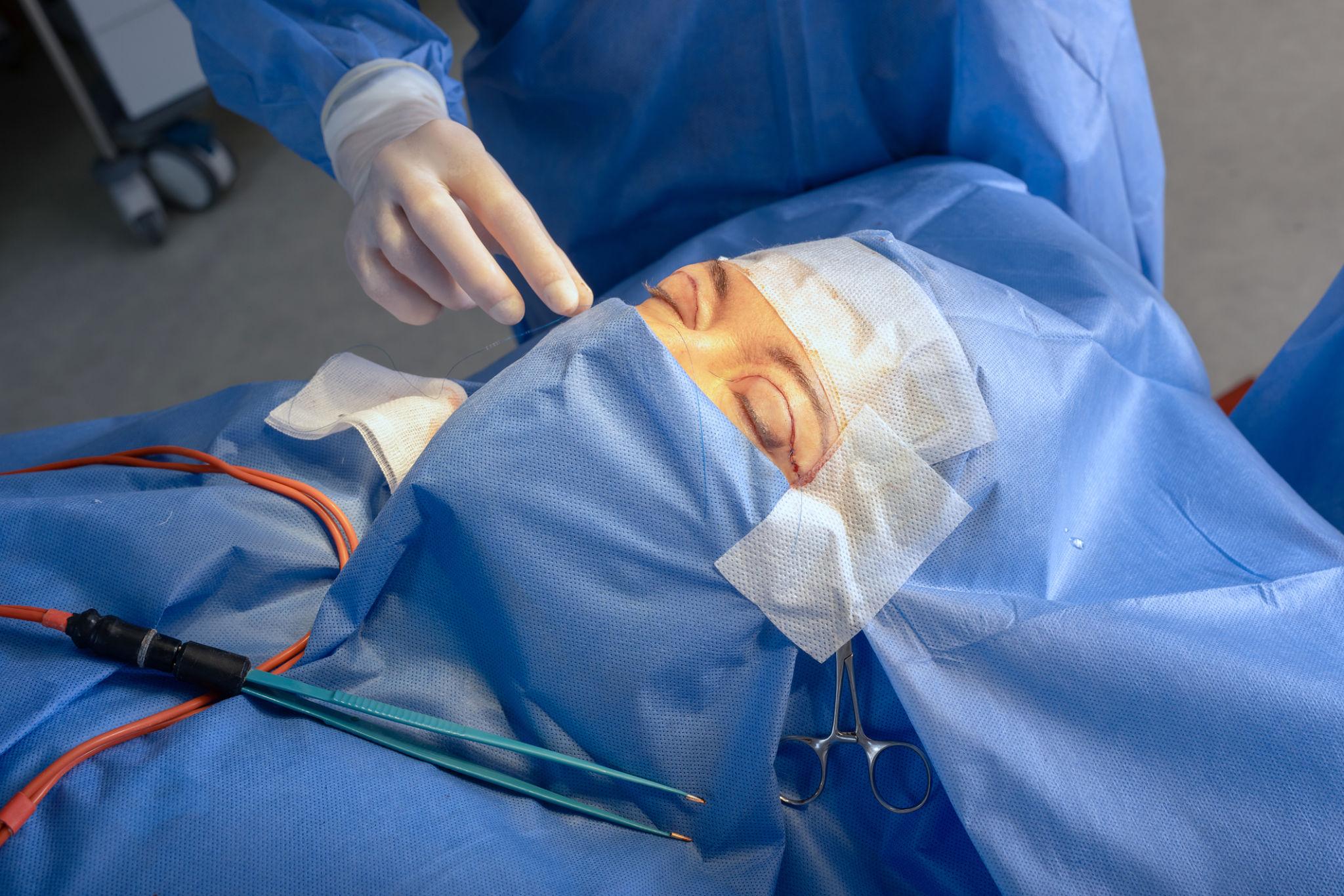
Upper blepharoplasty focuses specifically on the upper eyelids. It may be considered where excess skin or structural changes alter the contour, definition or perceived openness of the eyes.
Redundant skin can fold over the natural eyelid crease, creating shadowing and a heavier upper eyelid contour.
Hooding can reduce visible eyelid space and make the eyes appear smaller or less defined, even where the rest of the face remains balanced.
The upper eyelids strongly influence expression. Excess skin can contribute to a consistently tired or heavy appearance.
Differences between the eyelids can be assessed and, where appropriate, addressed to improve overall balance.
Suitability depends on eyelid anatomy, skin quality and the degree of excess tissue. This is determined during consultation.
Upper blepharoplasty is typically performed as a day-case procedure, but results depend on careful planning, precise technique and appropriate aftercare. Each stage is discussed in detail during consultation.
The consultation focuses on your concerns, eyelid anatomy, skin quality and the degree of excess skin. A personalised plan is developed to achieve a balanced and natural-looking result.
Excess upper eyelid skin is carefully removed through an incision placed within the natural eyelid crease, with the surgical plan tailored to the individual.
Swelling and bruising are expected during the early recovery period, with the eye area settling progressively as healing continues.
As swelling reduces, the upper eyelids become lighter and more defined. The final result develops gradually as the tissues settle.
Recovery timelines vary between individuals and will be discussed in detail during your consultation.
These answers provide a general guide, but the most appropriate advice will depend on your eyelid anatomy, concerns and treatment goals.
If you are considering plastic surgery, a private & professional consultation provides the opportunity to explore suitable treatment options, ask questions and receive clear, tailored advice based on your goals.
Complete the form to arrange a consultation at Harley Street in London. We will reply to you very quickly to arrange.